Glutathione: The Master Antioxidant and Why Your Body Needs It
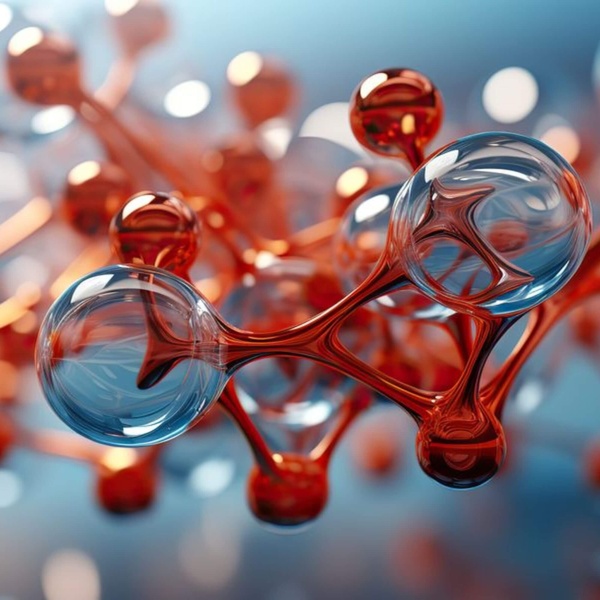
When talking about wellness, skincare, and cellular health, you often hear about antioxidants like Vitamin C and Vitamin E. But behind the scenes, your body produces its own ultimate protector, often called the "master antioxidant": Glutathione.
What Is Glutathione?
Glutathione is a powerful molecule made up of three amino acids: cysteine, glutamic acid, and glycine. Unlike antioxidants you consume through food, glutathione is produced naturally by every single cell in your human body, with the highest concentrations found in your liver.
Think of it as your body's ultimate maintenance crew and shield. It doesn't just neutralize free radicals (unstable molecules that damage cells) on its own; it also actively recycles other antioxidants like Vitamin C and E, keeping them active and ready to work.
Key Benefits of Glutathione
Because it operates at a cellular level, maintaining healthy levels of glutathione impacts several areas of health:
1. Powerful Cellular Defense and Detoxification
Your liver relies heavily on glutathione to neutralize and clear out toxins, heavy metals, and environmental pollutants. By binding to harmful substances, it helps escort them safely out of the body, protecting your organs from oxidative stress.
2. Supporting Immune Function
Your immune system requires a tremendous amount of energy and cellular protection to fight off threats. Glutathione helps keep white blood cells and immune cells functioning at their peak, ensuring a strong and balanced defense system.
3. Promoting Radiant, Healthy Skin
Many people first encounter glutathione in the wellness space due to its effects on skin health. By reducing oxidative stress throughout the body, it helps combat the cellular damage that leads to premature aging, fine lines, and uneven pigmentation, supporting a brighter and more youthful complexion.
4. Energy and Mitochondrial Support
Just like other vital cellular compounds, glutathione helps protect your mitochondria (your cellular power plants) from damage. Healthy mitochondria mean more efficient energy production and less cellular fatigue.
Why Do Levels Decrease?
Even though your body makes glutathione naturally, several everyday factors can deplete your natural reserves faster than your cells can produce them:
Chronic stress and lack of sleep
Environmental pollution and toxins
Poor nutrition or restrictive diets
Natural aging (levels begin to naturally decline as we get older)
Supporting Your Body's Levels
While you can support glutathione production through a balanced diet rich in sulfur-containing foods (like garlic, onions, and cruciferous vegetables like broccoli), many people look to targeted supplements, intravenous (IV) therapy, or advanced research compounds to maintain optimal levels.
See the related products:
Peptide Pen | Glutathione 1000mg | Compound Peptide Pen
Noventra Pharma | Glutathione 1000mg |Compound Peptide Pen
Research Disclaimer:
The information provided in this article is for educational and research discussion purposes only. Products available on this website are intended strictly for laboratory, educational, and research purposes only and are not approved for human consumption, medical use, or therapeutic application.


