Retatrutide Explained: Understanding the Science, Research and Potential Role in Weight Management
Retatrutide Explained: Understanding the Science, Research and Potential Role in Weight Management
Introduction: What Is Retatrutide?
Retatrutide is a peptide compound that has gained significant interest within modern peptide research. Scientists are studying Retatrutide because of its interaction with multiple biological pathways involved in metabolic signalling, appetite regulation, and energy balance.
As research into peptides continues to expand, compounds like Retatrutide are helping researchers better understand the complex relationship between hormones, receptors, metabolism, and the body's natural regulatory systems.
This article explores what Retatrutide is, how it works within the body from a research perspective, why it has attracted attention in weight management studies, and how it compares with other well-known peptide compounds.
Important: Retatrutide is a research compound supplied for laboratory, educational, and scientific research purposes only. It is not approved for human consumption, medical treatment, or therapeutic use.
What Are Peptides?
Before understanding Retatrutide, it is helpful to understand what peptides are.
Peptides are short chains of amino acids, which are the building blocks of proteins. Within biological systems, peptides can act as signalling molecules that communicate with cells and influence different processes within the body.
Researchers study peptides because of their ability to interact with specific receptors and biological pathways. This research helps scientists understand how these signalling systems work and how they may influence areas such as metabolism, cellular communication, and physiological processes.
How Does Retatrutide Work in the Body?
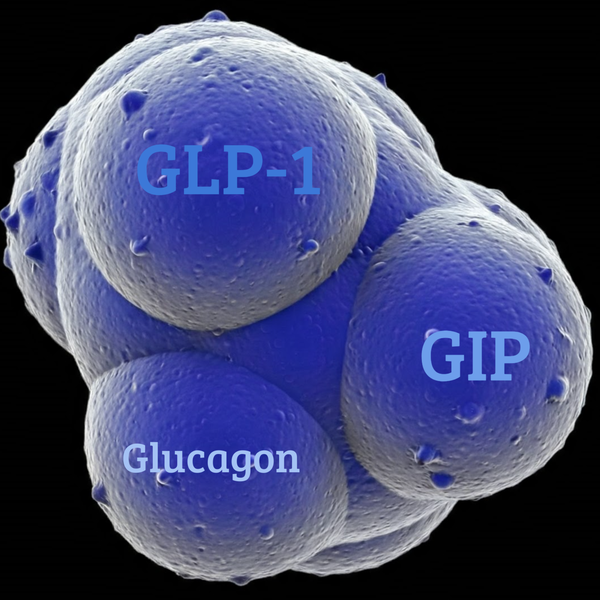
Retatrutide is often described as a multi-receptor peptide because researchers are investigating its interaction with three important receptor pathways:
GLP-1 receptor pathways
GIP receptor pathways
Glucagon receptor pathways
These pathways are involved in complex biological processes related to metabolism, energy regulation, and appetite signalling.
Understanding GLP-1 Receptor Activity
GLP-1 (glucagon-like peptide-1) is a naturally occurring hormone that plays a role in communication between the digestive system and the body.
Researchers study GLP-1 pathways because they are involved in processes such as:
Appetite signalling
Nutrient response
Digestive processes
Metabolic regulation
Many modern peptide studies focus on understanding how GLP-1 receptor activity influences biological signalling.
Understanding GIP Receptor Activity
GIP (glucose-dependent insulinotropic polypeptide) is another naturally occurring hormone involved in nutrient-related signalling.
Research into GIP pathways focuses on understanding how this receptor contributes to:
Metabolic communication
Nutrient processing
Hormonal signalling
Retatrutide research has attracted attention because of its interaction with both GLP-1 and GIP receptor pathways.
Understanding Glucagon Receptor Activity
Glucagon is a hormone involved in energy regulation within the body.
Researchers investigate glucagon receptor pathways because they are associated with:
Energy balance
Metabolic signalling
The body's use of stored energy
The combination of GLP-1, GIP, and glucagon receptor activity is one of the reasons Retatrutide has become an area of interest in scientific research.
Why Is Retatrutide Being Studied for Weight Management?
One of the main reasons Retatrutide has gained attention is because researchers are exploring its relationship with metabolic pathways involved in body weight regulation.
Scientific interest has focused on how multi-receptor peptides may influence areas such as:
Appetite-related signalling
Energy balance
Metabolic activity
Hormonal communication
Research into weight management is complex and involves many factors, including genetics, lifestyle, nutrition, activity levels, and individual biological differences.
Retatrutide studies contribute to a broader understanding of how peptide-based compounds interact with the body's natural systems.
Retatrutide Compared With Other Peptide Compounds
The field of peptide research includes several compounds that are being studied for their interaction with metabolic pathways.
Retatrutide
Research focus:
GLP-1 receptor activity
GIP receptor activity
Glucagon receptor activity
Tirzepatide
Research focus:
GLP-1 receptor activity
GIP receptor activity
Semaglutide
Research focus:
GLP-1 receptor activity
Each compound has a different structure and research focus, making them unique areas of scientific investigation.
The Importance of Understanding Metabolic Signalling
The human body relies on a complex network of signals between organs, hormones, and cells.
Metabolic research aims to understand:
How the body regulates energy
How hunger and fullness signals work
How hormones communicate with cells
How different biological pathways interact
Peptide research provides valuable insight into these processes and continues to be an expanding area of scientific study.
Research Peptide Quality and Selection
When exploring research compounds, important considerations include:
Manufacturer information
Product documentation
Quality standards
Packaging and storage requirements
Responsible research practices
Choosing reliable research materials helps support consistency and accuracy within laboratory environments.
Frequently Asked Questions About Retatrutide
What is Retatrutide?
Retatrutide is a peptide compound being studied in scientific research due to its interaction with multiple receptor pathways involved in metabolic signalling.
Why is Retatrutide being researched?
Researchers are investigating Retatrutide because of its activity across GLP-1, GIP, and glucagon receptor pathways and the role these systems play in understanding metabolism.
Is Retatrutide a GLP-1 peptide?
Retatrutide is associated with GLP-1 receptor activity, but it is also being studied for its interaction with GIP and glucagon receptor pathways.
How is Retatrutide different from Semaglutide?
Semaglutide research focuses primarily on GLP-1 receptor activity, while Retatrutide research explores activity across multiple receptor pathways.
How is Retatrutide different from Tirzepatide?
Tirzepatide research focuses on GLP-1 and GIP receptor pathways, while Retatrutide research explores GLP-1, GIP, and glucagon receptor activity.
Is Retatrutide approved for medical use?
Retatrutide is a research compound and is not approved for human consumption, medical treatment, or therapeutic use.
Conclusion
Retatrutide represents an exciting area of modern peptide research, with scientists exploring how multi-receptor compounds interact with biological systems involved in metabolism and energy regulation.
Understanding the science behind peptides helps researchers and the public better appreciate the complexity of the body's natural signalling pathways.
As peptide research continues to develop, compounds such as Retatrutide provide valuable opportunities to expand scientific knowledge and explore new areas of biological understanding.
Explore our research compound peptide range, including UPA Labs Retlira (Retatrutide) 30mg Research Compound Peptide Pen, available through The Velvet Dose & Co.
Research Disclaimer: Products discussed by The Velvet Dose & Co are intended strictly for laboratory, educational, and research purposes only. They are not approved for human consumption, medical use, or therapeutic application.


